The world of neurotechnology has taken a monumental leap forward with the recent news of Neuralink's first human trial subject successfully controlling a computer using only their thoughts. This groundbreaking development marks a pivotal moment in the quest to merge human cognition with artificial intelligence, opening doors to possibilities that were once confined to the realm of science fiction.
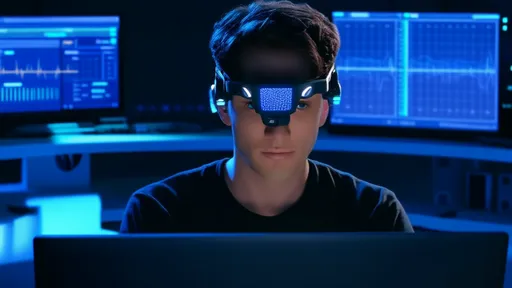
Elon Musk's ambitious brain-computer interface (BCI) company, Neuralink, has been at the forefront of this revolution. After years of animal testing and regulatory hurdles, the company finally received approval to implant its device in a human patient. The recipient, whose identity remains confidential, has reportedly made a full recovery from the surgical procedure and is now able to interact with digital interfaces through pure mental effort. Early reports suggest the patient can move a cursor, type messages, and even play simple video games without physical input.
How does this technology work? The Neuralink device, roughly the size of a coin, is implanted into the skull and connects to the brain via ultra-thin threads containing electrodes. These electrodes detect neural activity associated with movement intention. Advanced machine learning algorithms then decode these signals and translate them into commands for external devices. What sets Neuralink apart from previous BCIs is the sheer density of these connections - with over 1,000 electrodes, it offers unprecedented resolution for reading brain activity.
The implications of this success extend far beyond the initial demonstrations. For individuals with paralysis or neurodegenerative diseases like ALS, this technology could restore communication abilities and independence. Imagine being able to control a wheelchair, robotic arm, or smart home system through thought alone. The potential to dramatically improve quality of life for millions is staggering. Moreover, as the technology evolves, we may see applications in treating neurological disorders like epilepsy or depression through precise brain stimulation.
However, the road ahead isn't without challenges. The current system requires invasive brain surgery, which carries inherent risks. Long-term effects of having foreign objects implanted in brain tissue remain unknown. There are also significant ethical questions about data privacy - who owns and controls the most intimate data imaginable: our thoughts? As the technology progresses toward wider adoption, these concerns will need careful consideration and robust regulatory frameworks.
Looking toward the future, Neuralink's achievement represents just the beginning. The company has hinted at more ambitious goals, including enabling direct brain-to-brain communication and creating a symbiotic relationship between human intelligence and artificial intelligence. While these concepts may sound like dystopian fiction today, the rapid pace of advancement suggests they may become reality sooner than we think. As we stand at this technological crossroads, society must engage in thoughtful dialogue about how to harness these powerful tools while safeguarding fundamental human values and rights.
The successful human trial also intensifies competition in the burgeoning neurotechnology sector. Several other companies and research institutions are developing alternative approaches to brain-computer interfaces, some focusing on less invasive methods. This healthy competition will likely accelerate innovation while providing patients with more options tailored to their specific needs and comfort levels with different types of procedures.
Medical professionals have expressed cautious optimism about Neuralink's progress. While impressed by the technical achievement, many emphasize the need for rigorous, peer-reviewed studies to validate the safety and efficacy of the technology across diverse patient populations. The coming years will be critical as researchers gather more data on long-term performance, potential side effects, and real-world usability outside controlled laboratory settings.
For now, the world watches with bated breath as this first Neuralink participant continues to demonstrate the device's capabilities. Each successful interaction represents a triumph of human ingenuity and a step toward a future where physical limitations no longer define the boundaries of human potential. As this technology develops, it promises to redefine what it means to be human in an increasingly digital world.

By /Jul 23, 2025

By /Jul 23, 2025

By /Jul 23, 2025

By /Jul 23, 2025
By /Jul 23, 2025

By /Jul 23, 2025

By /Jul 23, 2025

By /Jul 23, 2025

By /Jul 23, 2025

By /Jul 23, 2025
By /Jul 23, 2025
By /Jul 23, 2025
By /Jul 23, 2025

By /Jul 23, 2025

By /Jul 23, 2025

By /Jul 23, 2025

By /Jul 23, 2025
By /Jul 23, 2025

By /Jul 23, 2025

By /Jul 23, 2025
