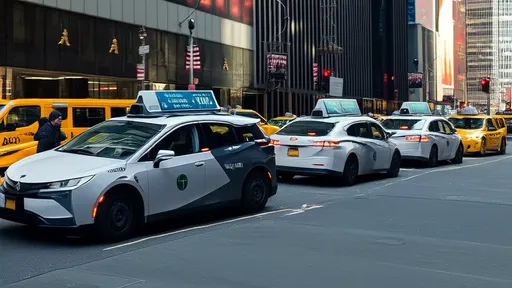
New York City’s streets, long dominated by the iconic yellow cabs, are witnessing a seismic shift as Waymo’s self-driving taxis make their debut. The arrival of autonomous vehicles in one of the world’s most congested urban landscapes marks a pivotal moment for the taxi industry, raising questions about competition, safety, and the future of human drivers. Waymo, a subsidiary of Alphabet Inc., has steadily expanded its footprint across the U.S., but its entry into New York represents its most audacious move yet—a direct challenge to the entrenched taxi culture of the city.
The Rise of Autonomous Taxis
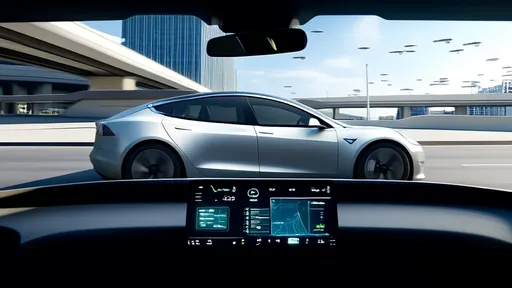
Waymo’s expansion into New York follows successful deployments in cities like Phoenix and San Francisco, where its fleet of Jaguar I-PACE SUVs and Chrysler Pacifica minivans have logged millions of miles. Unlike those markets, however, New York presents a unique set of challenges: chaotic traffic patterns, aggressive drivers, unpredictable pedestrians, and extreme weather conditions. If Waymo can prove its technology here, it could solidify autonomous vehicles as a viable alternative to traditional taxis worldwide.
The company has taken a cautious approach, initially launching a limited fleet with human safety operators behind the wheel. These operators will intervene if the system encounters a scenario it cannot handle—a necessary step given New York’s complexity. Over time, as the AI gathers more data and refines its decision-making, Waymo plans to transition to fully driverless operations. The goal is clear: to demonstrate that self-driving cars can not only coexist with but outperform human drivers in the most demanding urban environment.
The Threat to Traditional Taxis
For the city’s taxi drivers, Waymo’s arrival is more than just another competitor—it’s an existential threat. The yellow cab industry, already struggling with declining ridership and rising operational costs, now faces a rival that doesn’t require salaries, benefits, or even breaks. Autonomous taxis can operate around the clock, potentially offering lower fares due to reduced labor expenses. This economic advantage could accelerate the decline of traditional taxis, much like ride-hailing apps such as Uber and Lyft did over the past decade.
Driver unions and advocacy groups are pushing back, arguing that autonomous vehicles lack the human intuition necessary to navigate New York’s streets safely. They also highlight concerns about job losses in an industry that employs tens of thousands. "This isn’t just about technology—it’s about people’s livelihoods," said one union representative. "If we allow unchecked automation, what happens to the drivers who’ve spent decades serving this city?"
Regulatory and Public Perception Hurdles
Before Waymo can fully integrate into New York’s transportation ecosystem, it must overcome significant regulatory hurdles. The state’s Department of Motor Vehicles and city officials have imposed strict testing requirements, including detailed reporting of any incidents involving autonomous vehicles. Public skepticism is another barrier. Many New Yorkers remain wary of self-driving cars, particularly after high-profile accidents involving autonomous vehicles in other cities.
Waymo is betting that transparency and a strong safety record will win over skeptics. The company has published extensive data on its vehicles’ performance, emphasizing that its AI is designed to prioritize safety over speed or convenience. Early riders in other markets have reported positive experiences, but New York’s unique challenges will be the ultimate test.
The Future of Urban Mobility
If successful, Waymo’s New York experiment could redefine urban transportation. Autonomous taxis promise reduced congestion, lower emissions (especially if electrified), and increased accessibility for those unable to drive. However, the transition won’t be seamless. Policymakers will need to address equity concerns, ensuring that the benefits of automation are widely distributed and that displaced workers receive support.
For now, the streets of New York remain a battleground between tradition and innovation. Waymo’s presence signals a future where self-driving cars are no longer a novelty but a mainstream option. Whether the city’s iconic yellow cabs can adapt—or whether they’ll become relics of a bygone era—remains to be seen.

By /Jul 23, 2025

By /Jul 23, 2025
By /Jul 23, 2025

By /Jul 23, 2025

By /Jul 23, 2025
By /Jul 23, 2025
By /Jul 23, 2025

By /Jul 23, 2025

By /Jul 23, 2025
By /Jul 23, 2025

By /Jul 23, 2025

By /Jul 23, 2025

By /Jul 23, 2025

By /Jul 23, 2025

By /Jul 23, 2025
By /Jul 23, 2025
By /Jul 23, 2025
By /Jul 23, 2025

By /Jul 23, 2025

By /Jul 23, 2025
