Toyota has made a bold strategic pivot in its hydrogen fuel cell vehicle (FCV) ambitions, announcing plans to double its global sales target for fuel cell vehicles to 200,000 units annually by 2030. This aggressive revision signals the automaker’s deepening commitment to hydrogen technology as a cornerstone of its multi-pathway approach to carbon neutrality, even as competitors increasingly focus on battery electric vehicles (BEVs).
The Japanese automaker, long criticized for its cautious stance on full electrification, is now positioning hydrogen as a critical solution for hard-to-decarbonize transport sectors. "Hydrogen will play an indispensable role in achieving true zero-emissions mobility, particularly for commercial vehicles and long-haul transportation where battery technology faces limitations," stated Toyota Chief Technology Officer Masahiko Maeda during a recent technical briefing at the company’s Motomachi plant.
Industry analysts note this target revision comes amid surprising growth in hydrogen infrastructure commitments from major economies. Germany recently fast-tracked €7 billion in hydrogen refueling stations, while California expanded its network to 55 retail stations with another 130 in development. Toyota’s bet appears timed to capitalize on this infrastructure momentum, particularly in the trucking sector where its second-generation fuel cell modules already power Class 8 semis in North American pilot programs.
Behind the scenes, Toyota’s hydrogen push reflects hard-won technological advancements. The automaker claims its next-generation fuel cell stack, due in 2026, achieves a 37% cost reduction through simplified bipolar plate designs and automated catalyst coating processes. More significantly, durability has reached 1.2 million kilometers in prototype testing - a figure that could transform total cost of ownership calculations for fleet operators.
Yet skeptics remain. "Doubling FCV targets looks ambitious when you consider Toyota sold just 3,900 Mirai sedans globally last year," cautioned BloombergNEF hydrogen analyst Yayoi Sekine. The automaker counters that its new sales projections primarily reflect anticipated demand for fuel cell trucks and buses, with passenger vehicles constituting less than 20% of the 2030 target. This commercial focus aligns with recent moves like the partnership with PACCAR to deploy fuel cell Kenworth trucks at the Port of Los Angeles.
What makes Toyota’s hydrogen strategy particularly intriguing is its parallel development of hydrogen combustion engines. The company continues testing hydrogen-powered GR Corolla race cars in Japan’s Super Taikyu series, collecting durability data that could inform future consumer applications. This dual-path approach - combining fuel cells with combustion technology - distinguishes Toyota from competitors betting solely on battery or fuel cell solutions.
The supply chain implications are substantial. Toyota recently announced a $1.2 billion investment in a North Carolina facility to triple hydrogen fuel cell component production. This complements existing partnerships with Mitsui for liquid hydrogen logistics and Iwatani for refueling solutions. Such vertical integration suggests Toyota aims to control everything from hydrogen production (through its involvement in Australian green hydrogen projects) to end-use applications.
Regulatory tailwinds may accelerate adoption. The U.S. Inflation Reduction Act’s $3/kg hydrogen production tax credit and Europe’s REPowerEU plan (targeting 10 million tonnes of domestic renewable hydrogen by 2030) are reshaping economic models. Toyota executives privately acknowledge these policies influenced their revised targets, particularly for the North American and European markets where hydrogen subsidies now rival those for BEVs.
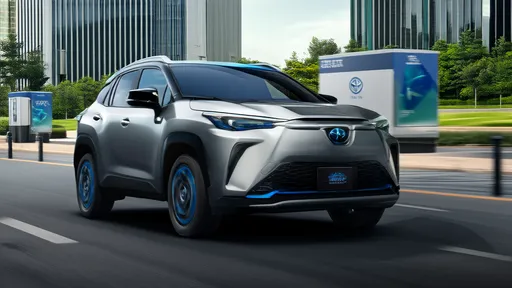
On the consumer front, Toyota plans to launch its next-generation Mirai in 2027 with a 30% range increase to approximately 650 km (404 miles) per fill. More notably, the company will introduce a fuel cell-powered luxury Lexus SUV in 2028, marking hydrogen technology’s entry into the premium segment. These launches will coincide with expanded hydrogen refueling support - Toyota has committed to financing 50 new stations in Japan and 30 in California through its alliance with Air Liquide.
The automaker’s hydrogen ambitions extend beyond vehicles. Its fuel cell modules now power generators, forklifts, and even a prototype hydrogen-powered lunar rover developed with JAXA. This diversified approach hedges against slower-than-expected FCV adoption while establishing Toyota as a hydrogen ecosystem player rather than just an automaker.
As the 2030 deadline approaches, Toyota’s hydrogen gamble faces multiple make-or-break moments. The coming 18 months will prove critical, with commercial deployments of fuel cell trucks at major ports and the opening of several high-capacity hydrogen production facilities in which Toyota has invested. While the road ahead remains uncertain, one thing is clear: in an industry racing toward electrification, Toyota is betting big that hydrogen will claim a significant piece of the zero-emissions future.

By /Jul 23, 2025

By /Jul 23, 2025
By /Jul 23, 2025
By /Jul 23, 2025
By /Jul 23, 2025
By /Jul 23, 2025
By /Jul 23, 2025

By /Jul 23, 2025

By /Jul 23, 2025
By /Jul 23, 2025
By /Jul 23, 2025

By /Jul 23, 2025
By /Jul 23, 2025

By /Jul 23, 2025

By /Jul 23, 2025

By /Jul 23, 2025
By /Jul 23, 2025
By /Jul 23, 2025
By /Jul 23, 2025
By /Jul 23, 2025
