The annual migration of birds is one of nature’s most awe-inspiring phenomena. Each year, billions of birds traverse continents, following ancient routes etched into their instincts. For bird enthusiasts, these migratory paths offer unparalleled opportunities to witness a breathtaking spectacle of endurance and beauty. From the Arctic tundra to the tropical wetlands, the world’s flyways serve as aerial highways for countless species, making certain locations veritable birdwatching paradises.
Understanding these migratory routes is key to maximizing the birdwatching experience. Birds typically follow predictable paths known as flyways, which are shaped by geographical features such as coastlines, mountain ranges, and river valleys. The four major global flyways—the Americas, Africa-Eurasia, East Asia-Australasia, and the Central Asian—each host unique species and present distinct observation opportunities. Timing is crucial, as migration periods vary by region and species, often peaking during spring and autumn.
One of the most renowned birdwatching hotspots is the East Asian-Australasian Flyway, stretching from Siberia and Alaska down to Australia and New Zealand. This route is a lifeline for millions of shorebirds, including the critically endangered spoon-billed sandpiper. Key stopover sites like China’s Yellow Sea mudflats provide essential resting and feeding grounds, where exhausted birds refuel before continuing their arduous journeys. Conservation efforts in these areas are critical, as habitat loss poses a severe threat to migratory species.
In the Western Hemisphere, the Americas Flyway offers its own spectacular displays. The wetlands of the Gulf Coast in the United States become a bustling hub each spring, as warblers, raptors, and waterfowl funnel through narrow corridors like the Texas coast. Further south, the Andean highlands and Amazon basin serve as wintering grounds for many long-distance migrants. Locations such as Panama’s Darien Gap or Mexico’s Yucatán Peninsula become birding meccas during peak migration, drawing enthusiasts from around the world.
Europe and Africa, connected by the Africa-Eurasia Flyway, host some of the most dramatic migrations. The sight of white storks soaring over the Strait of Gibraltar or flocks of bee-eaters crossing the Sahara is nothing short of magical. Wetlands like Spain’s Doñana National Park or Kenya’s Lake Nakuru transform into critical refueling stations, where birds gather in staggering numbers. These regions also highlight the delicate balance between human activity and wildlife preservation, as many species face increasing pressures from habitat degradation.
For those eager to witness these natural wonders, preparation is essential. High-quality binoculars, field guides, and weather-appropriate clothing are must-haves. Patience and respect for wildlife are equally important—disturbing resting or feeding birds can have fatal consequences for their long journeys. Ethical birdwatching practices, such as keeping a safe distance and avoiding playback calls, ensure that these migratory spectacles endure for future generations.
Beyond the thrill of observation, bird migration serves as a powerful reminder of nature’s interconnectedness. The journeys of these winged travelers span borders and ecosystems, linking distant continents in a shared cycle of life. Protecting migratory routes isn’t just about saving birds—it’s about preserving the planet’s ecological harmony. As climate change and human expansion threaten these ancient pathways, the role of conservation becomes ever more urgent.
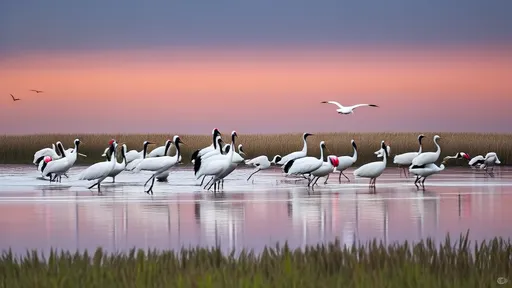
Whether you’re a seasoned birder or a curious newcomer, the world’s migratory routes offer endless fascination. From the haunting calls of cranes at dawn to the synchronized flights of shorebirds at dusk, each moment spent observing these travelers is a glimpse into nature’s grand design. So pack your gear, head to a flyway hotspot, and lose yourself in the wonder of bird migration—the ultimate testament to life’s resilience and beauty.

By /Jul 8, 2025

By /Jul 8, 2025

By /Jul 8, 2025

By /Jul 8, 2025

By /Jul 8, 2025
By /Jul 8, 2025
By /Jul 8, 2025

By /Jul 8, 2025

By /Jul 8, 2025

By /Jul 8, 2025

By /Jul 8, 2025

By /Jul 8, 2025

By /Jul 8, 2025

By /Jul 8, 2025

By /Jul 8, 2025

By /Jul 8, 2025

By /Jul 8, 2025

By /Jul 8, 2025

By /Jul 8, 2025

By /Jul 8, 2025
