In the heart of Belgium’s cobblestone streets and beneath the Gothic arches of its historic cities, a different kind of pilgrimage unfolds—one driven by the irresistible allure of chocolate. For centuries, Belgium has been synonymous with the art of chocolate-making, a craft perfected by generations of chocolatiers. Today, travelers from around the world embark on a journey not just to taste but to immerse themselves in the world of cocoa, from factory floors to hands-on workshops. This is the essence of chocolate pilgrimage: a blend of discovery, tradition, and sensory delight.
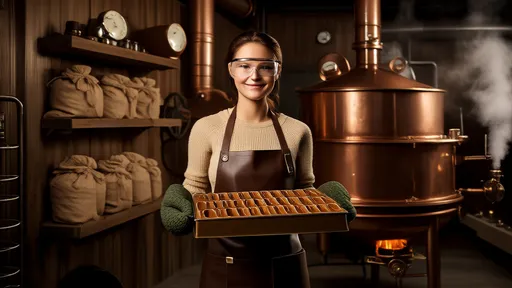
The journey often begins in Brussels, where the air is thick with the scent of melted cocoa butter. Here, legendary chocolatiers like Neuhaus and Godiva have their roots, their storefronts resembling miniature temples to the craft. But beyond the glossy displays lies a deeper experience—the chance to step behind the scenes. Many chocolatiers open their doors to visitors, offering guided tours through their production facilities. The hum of machinery, the sight of liquid chocolate cascading into molds, and the meticulous hand-painting of pralines reveal the precision behind what many consider the world’s finest chocolates.
For those craving a more tactile connection, hands-on workshops provide an intimate encounter with the craft. Under the guidance of master chocolatiers, visitors learn to temper chocolate to a perfect sheen, pipe delicate ganache fillings, and even craft their own bonbons. These sessions are as much about storytelling as they are about technique. Chocolatiers share tales of cocoa’s journey from bean to bar, the alchemy of balancing flavors, and the cultural significance of chocolate in Belgian life. It’s a reminder that chocolate is more than a confection—it’s a narrative woven into the fabric of a nation.
Venturing beyond Brussels, the chocolate trail winds through cities like Bruges and Antwerp, each offering its own twist on the experience. In Bruges, family-owned chocolatiers like The Chocolate Line push boundaries with avant-garde flavors—think wasabi or bacon-infused truffles—while maintaining reverence for tradition. Antwerp, meanwhile, boasts the Chocolate Nation museum, an interactive ode to Belgium’s cocoa legacy. Here, immersive exhibits transport visitors through cocoa jungles, colonial trading ports, and modern-day factories, culminating in a tasting session that feels like a finale at a gourmet opera.
Yet the true magic of a chocolate pilgrimage lies in its unexpected moments. It’s in the warmth of a chocolatier’s hands as they demonstrate how to swirl a perfect chocolate curl. It’s in the laughter shared over a botched attempt at molding a praline. And it’s in the quiet reverence that falls over a room as strangers collectively savor a piece of single-origin dark chocolate, its complexities unfolding like a story on the tongue. This is where the pilgrimage transcends tourism—it becomes a celebration of craftsmanship, connection, and the universal language of sweetness.
As travelers return home, their suitcases laden with neatly packaged boxes, they carry more than souvenirs. They carry the memory of cocoa-scented air, the rhythm of chocolate tempering, and the realization that behind every piece of chocolate lies a world of passion. The Belgian chocolate pilgrimage isn’t just about indulging the senses; it’s about touching the soul of a craft that has, for centuries, turned simple ingredients into joy. And perhaps that’s the sweetest lesson of all.

By /Jul 8, 2025
By /Jul 8, 2025

By /Jul 8, 2025

By /Jul 8, 2025

By /Jul 8, 2025

By /Jul 8, 2025
By /Jul 8, 2025
By /Jul 8, 2025

By /Jul 8, 2025
By /Jul 8, 2025
By /Jul 8, 2025
By /Jul 8, 2025

By /Jul 8, 2025

By /Jul 8, 2025

By /Jul 8, 2025
By /Jul 8, 2025

By /Jul 8, 2025

By /Jul 8, 2025
By /Jul 8, 2025
By /Jul 8, 2025
