Street food has long been the soul of urban culture, offering quick, affordable, and flavorful bites to busy city dwellers. However, concerns about hygiene and food safety often cast a shadow over this vibrant culinary tradition. The key to enjoying street food without worry lies in understanding what makes it safe—or risky—and learning how to make informed choices.
The Allure and Risks of Street Food
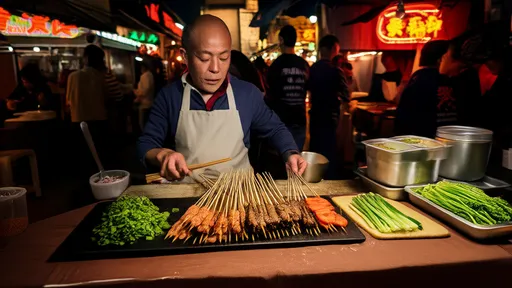
There’s something undeniably magical about the sizzle of a grill, the aroma of spices wafting through the air, and the sight of a vendor skillfully assembling a dish right before your eyes. Street food is more than just a meal; it’s an experience. Yet, behind the excitement, there’s a legitimate concern about cleanliness, ingredient quality, and food handling practices. Not all street vendors operate under the same standards, and while many take pride in their craft, others may cut corners to save time or money.
Foodborne illnesses are a real risk when proper hygiene isn’t maintained. Contaminated water, improperly stored ingredients, or unsanitary cooking conditions can turn a delicious snack into a health hazard. But this doesn’t mean you should avoid street food altogether. Instead, arming yourself with knowledge can help you navigate the bustling stalls with confidence.
Spotting the Signs of a Trustworthy Vendor
One of the simplest ways to gauge the safety of a street food stall is by observing the vendor’s setup. A clean workspace is a good indicator of careful food handling. Look for vendors who keep their cooking area tidy, use gloves or utensils when handling food, and have a system for washing dishes or disposing of waste. A busy stall is often a positive sign—high turnover means ingredients are less likely to sit out for long periods, reducing the risk of spoilage.
Pay attention to how the food is stored. Perishable items like meat, dairy, or cut fruits should be kept at safe temperatures, either on ice or in a refrigerated unit. If you see raw meat sitting uncovered in the sun, it’s best to walk away. Similarly, sauces and condiments should be stored in clean, covered containers to prevent contamination from dust or insects.
The Importance of Freshness and Preparation
Freshly cooked food is generally safer than items that have been pre-prepared and left to sit. Dishes that are made to order, such as stir-fries, grilled meats, or freshly rolled tacos, are less likely to harbor harmful bacteria. Watch how the vendor handles raw and cooked ingredients—cross-contamination is a common issue. If the same knife or cutting board is used for raw meat and vegetables without being cleaned in between, there’s a higher risk of foodborne pathogens.
Another factor to consider is the water source. In many places, tap water isn’t safe for drinking, and it’s often used to wash ingredients or make ice. If you’re in a region with questionable water quality, opt for dishes that are cooked at high temperatures, as boiling or frying can kill most harmful microorganisms. Avoid raw salads or fruits that may have been rinsed in untreated water.
Cultural Context and Local Wisdom
Street food safety isn’t just about individual vendors—it’s also shaped by local regulations and cultural norms. In some cities, street food is tightly regulated, with regular inspections and strict hygiene requirements. In others, oversight may be minimal, leaving safety largely in the hands of the vendors themselves. Talking to locals can provide valuable insights. Residents often know which stalls have a reputation for quality and which ones to avoid.
Seasonality also plays a role. In hot climates, food spoils faster, so vendors may adjust their menus based on the weather. For example, in Southeast Asia, certain dishes are more common during cooler months when ingredients stay fresh longer. Being aware of these nuances can help you make smarter choices.
Personal Precautions for a Safe Experience
Even when a vendor takes all the right steps, there are still precautions you can take to minimize risk. Hand sanitizer is a street food enthusiast’s best friend—use it before eating, especially if you’re digging into something with your hands. If you’re prone to stomach sensitivities, consider starting with small portions to see how your body reacts before indulging in a larger meal.
Listen to your instincts. If something looks or smells off, it’s better to err on the side of caution. Your senses are powerful tools for detecting potential problems. At the same time, don’t let fear overshadow the joy of discovery. Street food is a gateway to understanding a place’s culture, and with the right approach, you can enjoy it safely and deliciously.
Conclusion: Savoring Street Food with Confidence
Street food doesn’t have to be a gamble. By paying attention to cleanliness, freshness, and local practices, you can reduce the risks and focus on the flavors. The best street food vendors take pride in what they do, and their dedication shines through in every bite. Whether you’re sampling skewers in Bangkok, tacos in Mexico City, or falafel in Istanbul, a little awareness goes a long way in ensuring a safe and satisfying experience.

By /Jul 8, 2025

By /Jul 8, 2025

By /Jul 8, 2025

By /Jul 8, 2025

By /Jul 8, 2025

By /Jul 8, 2025

By /Jul 8, 2025
By /Jul 8, 2025
By /Jul 8, 2025

By /Jul 8, 2025

By /Jul 8, 2025

By /Jul 8, 2025

By /Jul 8, 2025

By /Jul 8, 2025

By /Jul 8, 2025
By /Jul 8, 2025

By /Jul 8, 2025

By /Jul 8, 2025
By /Jul 8, 2025

By /Jul 8, 2025
