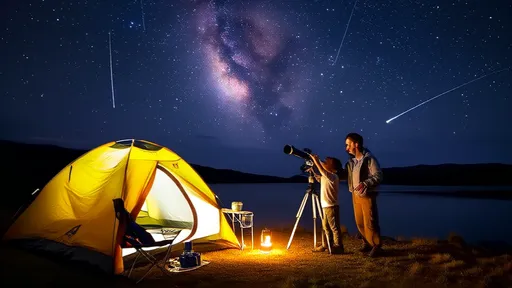
As urban light pollution increasingly obscures our view of the cosmos, families are discovering the magic of stargazing during camping trips. The combination of fresh air, crackling campfires, and glittering celestial wonders creates unforgettable bonding experiences. Unlike traditional camping focused solely on terrestrial adventures, astro-camping requires some specialized equipment to maximize your celestial observations while maintaining comfort in the wilderness.
The foundation of any successful family stargazing outing begins with selecting an appropriate location. Dark sky preserves and remote campgrounds far from city lights offer dramatically better viewing conditions than suburban backyards. Many national parks now offer designated astronomy-friendly campsites with open sightlines to the horizon. When booking your site, consider the moon phase – new moon weekends provide the darkest skies for observing faint galaxies and nebulae, while quarter moons offer beautiful lunar viewing opportunities for younger children.
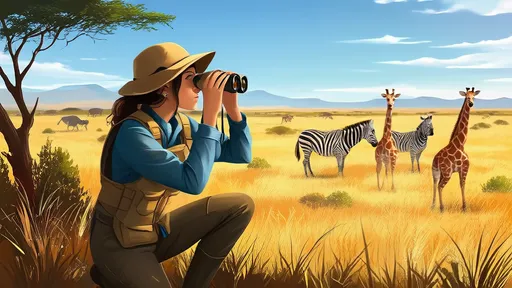
Optical equipment represents the most exciting category for budding astronomers. While high-powered telescopes might seem like the obvious choice, many families find that quality binoculars actually provide more satisfying initial experiences. Modern astronomy binoculars feature large objective lenses (50mm or larger) that gather ample starlight while remaining portable enough for travel. Look for models with multi-coated optics and twist-up eyecups that accommodate both eyeglass wearers and children. A sturdy tripod adapter proves invaluable for extended viewing sessions that would otherwise lead to shaky, fatigued arms.
The telescope market offers overwhelming options, but reflector models with 4- to 6-inch apertures strike the perfect balance between light-gathering capability and transportability. These instruments reveal Jupiter's cloud bands, Saturn's rings, and countless deep-sky objects while fitting easily in most vehicle trunks. Equally important as the telescope itself is a stable mount – wobbly tripods transform the celestial viewing experience into an exercise in frustration. Many experienced astronomy campers recommend alt-azimuth mounts for their intuitive operation, especially when sharing views between multiple family members of different heights.
Red light preservation becomes crucial when stargazing with a group. White light from standard flashlights or smartphone screens destroys night vision adaptation that takes 20-30 minutes to develop fully. Quality headlamps with adjustable red LED modes allow families to navigate the campsite, consult star charts, and operate equipment without sabotaging their hard-earned dark adaptation. For added convenience, some families bring portable red lanterns to hang in the common area, creating a night-vision-friendly environment for snacks and conversation between observing sessions.
Comfort items often get overlooked in equipment discussions but dramatically affect how long your family enjoys the stargazing experience. Adjustable reclining camp chairs allow observers to comfortably view near-zenith objects without neck strain. Lightweight blankets or sleeping bags prove invaluable as temperatures drop during nighttime observing sessions, particularly when children are involved. A well-organized gear table keeps eyepieces, filters, and accessories within easy reach but protected from dew or accidental drops in the dark.
Modern technology offers incredible assistance for locating celestial objects. While traditional star wheels and planispheres maintain charm and don't require batteries, smartphone astronomy apps have revolutionized casual stargazing. Applications that utilize augmented reality to identify constellations and planets make the learning process interactive and engaging for children. However, seasoned astronomy campers recommend keeping screen brightness at minimum levels and using red display filters to preserve night vision. For families wanting to document their observations, entry-level astrophotography setups can capture impressive images of the moon and brighter planets without requiring expensive equipment.
Practical camping gear takes on special importance during astronomy-focused trips. Spacious family tents with dark interiors facilitate daytime naps for those planning late-night observing sessions. High-quality sleeping pads and bags ensure everyone gets proper rest between celestial viewings. A well-stocked first aid kit should include remedies for potential eye strain from extended telescope use. Thoughtful packing of weather-appropriate clothing layers allows the family to stay comfortable as desert or mountain campsites can experience dramatic temperature swings after sunset.
Educational materials can transform a simple stargazing outing into a rich learning experience. Laminated constellation guides withstand dew and little hands better than paper versions. Astronomy-themed storybooks help younger children connect with the night sky's cultural significance across different civilizations. Some families create observation journals where each member can sketch planets or record impressions – these often become cherished keepsakes that document both astronomical discoveries and family memories.
As with any family activity, managing expectations proves vital for creating positive experiences. Beginners should focus on easily observable targets like the moon's craters, Jupiter's Galilean moons, or bright star clusters rather than attempting to find faint, challenging objects. Incorporating simple night sky legends or playing astronomy-themed games maintains engagement when younger family members' attention spans wane. Most importantly, successful family stargazing trips balance structured observation with spontaneous wonder, allowing each participant to develop their own relationship with the cosmos at their own pace.
The equipment list for family astro-camping need not be prohibitively expensive or technical. Many families begin with basic binoculars and gradually add specialized gear as their interest develops. What matters most isn't optical perfection but rather creating opportunities for shared wonder beneath the starry vault. As children grow up surrounded by artificial light and digital screens, these camping trips under natural starlight may plant seeds of cosmic curiosity that last lifetimes.
By /Jul 8, 2025

By /Jul 8, 2025
By /Jul 8, 2025

By /Jul 8, 2025

By /Jul 8, 2025

By /Jul 8, 2025
By /Jul 8, 2025

By /Jul 8, 2025

By /Jul 8, 2025

By /Jul 8, 2025

By /Jul 8, 2025

By /Jul 8, 2025

By /Jul 8, 2025

By /Jul 8, 2025
By /Jul 8, 2025
By /Jul 8, 2025

By /Jul 8, 2025
By /Jul 8, 2025

By /Jul 8, 2025

By /Jul 8, 2025
